
The Ultimate Guide to the Masai Mara: When to visit, where to stay and what to see
The Masai Mara is one of the most iconic safari destinations in the world. Famous for its vast open plains, dramatic predator-prey encounters, and the spectacular Great Migration, it’s a must-visit for anyone interested in wildlife, nature, or conservation-focused travel.
Whether you’re planning your first safari or planning a return trip, here’s everything you need to know about visiting the Masai Mara, from the wildlife and history to conservancy and cultural insight.
A Quick Overview of the Masai Mara
- Location: Southwestern Kenya, Narok County, bordering Tanzania’s Serengeti
- Size: 1,510km2 (but the greater ecosystem spans thousands more)
- Altitude: 1,500 – 2,200m about sea level
- Origin of Name: “Mara” means “spotted” in Maa and described the dotted tree-and-bush lanscape
- Famous for: Big Cats, The Great Migration, Maasai Culture and a backdrop for many wildlife documentaries
Where Is the Masai Mara?
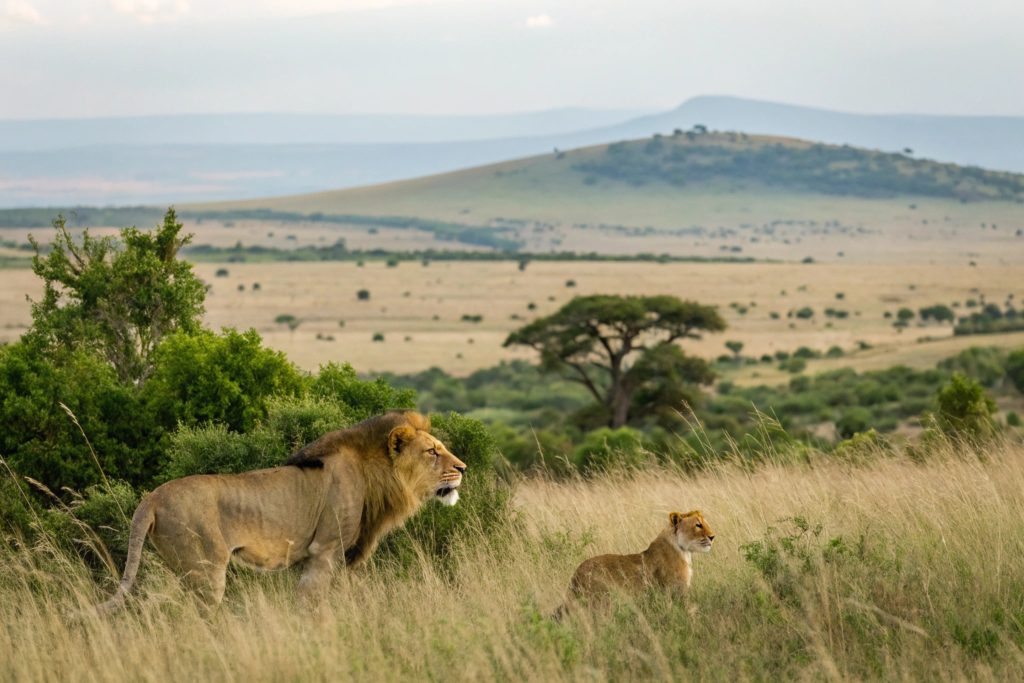
The Masai Mara National Reserve is located in south-west Kenya, forming the northern extension of Tanzania’s famous Serengeti ecosystem.
The reserve sits along Kenya’s border with Tanzania and covers around 1,500 square kilometres of open savannah, riverine forest and rolling grasslands. Its name comes from the Maasai people, the traditional pastoral community who have lived alongside wildlife in this region for generations, and the word “Mara,” meaning spotted, which describes the landscape dotted with acacia trees and wildlife.
Together with the Serengeti, the Mara forms one of the most important wildlife ecosystems in Africa and is home to the world-famous Great Migration.
If you’re exploring East Africa, you can read more about the Serengeti–Masai Mara ecosystem and how the migration moves between the two parks each year.
Wildlife You Can See in the Masai Mara
The Masai Mara is widely regarded as one of the best places in Africa to see wildlife.
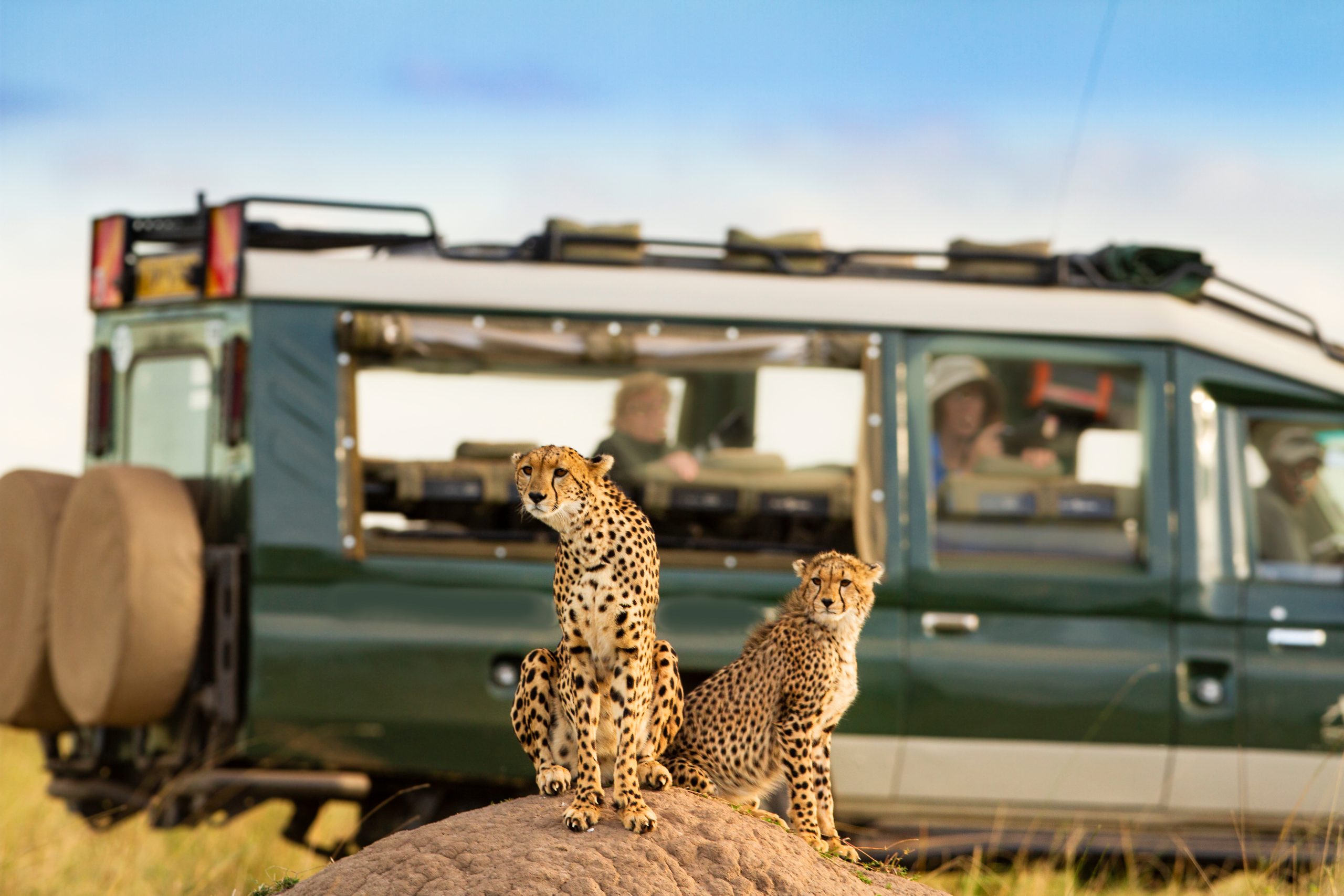
The open plains support huge numbers of animals, making sightings frequent and often spectacular. The reserve is particularly famous for its big cats, with healthy populations of lion, leopard and cheetah, many of which are well known to guides who follow their movements daily. Large herds of elephant, buffalo, giraffe and zebra roam the savannah, while antelope such as topi, impala, eland and gazelle are commonly seen grazing across the plains. The Mara River is home to hippo and Nile crocodiles, while over 450 species of birds have been recorded here, including secretary birds, vultures and the brightly coloured lilac-breasted roller, Kenya’s national bird.
If you’re interested in wildlife photography or specific species, you can explore our guide to the wildlife of the Masai Mara and what animals you are most likely to see on safari.
What a Typical Day on Safari in the Masai Mara Looks Like
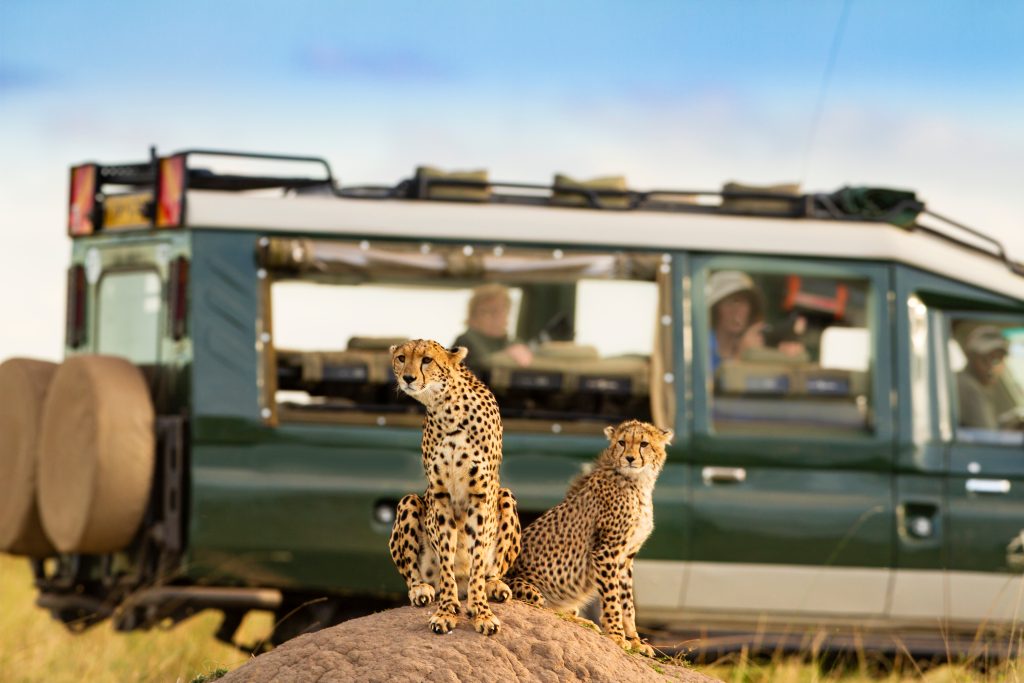
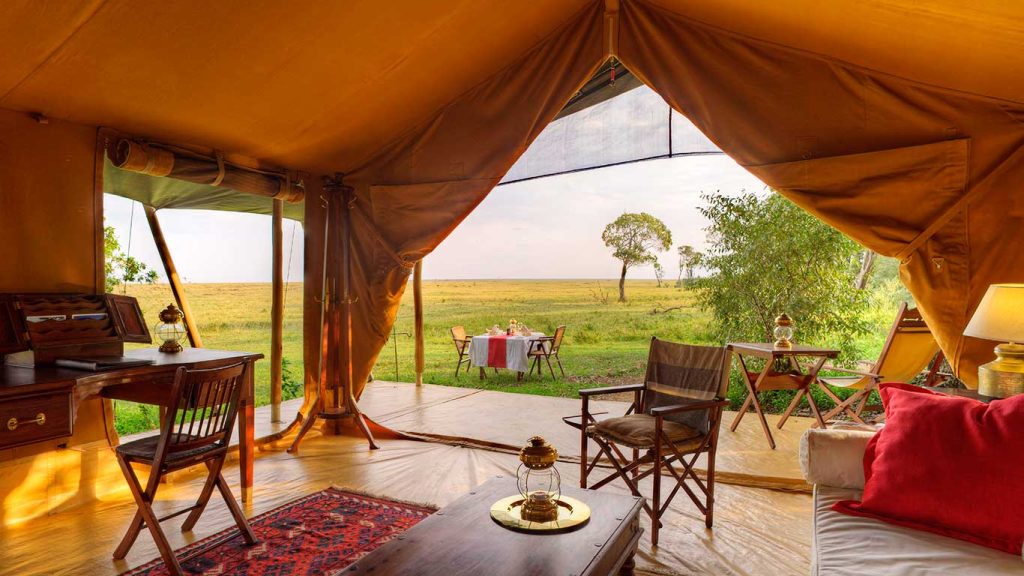
Most days begin just before sunrise with a morning game drive, when the light is soft and predators are often still active after a night of hunting. After a few hours exploring the plains you’ll enjoy a picnic breakfast in the bush or return to camp for breakfast and time to relax, perhaps watching wildlife pass by the lodge or enjoying the views across the savannah.
Later in the afternoon you’ll head out again for another game drive, when temperatures cool and animals become more active. Many evenings end with a sundowner, a safari tradition where you pause for a drink in the bush as the sun sets over the Mara before returning to camp for dinner under the stars.
Masai Mara National Reserve Vs Conservancies: Where should you stay?
The Masai Mara National Reserve and the surrounding private conservancies offer slightly different safari experiences, each with their own advantages.
Staying inside the National Reserve provides direct access to the Mara River, where the dramatic wildebeest migration crossings typically take place between July and August, and there is a wide range of accommodation options to suit different budgets. However, the reserve can become very busy during peak migration season, with large numbers of vehicles gathering at wildlife sightings.
The conservancies, which border the reserve, offer a more exclusive safari experience with far fewer vehicles and stricter rules, including limits on how many cars can be at a sighting and allowing only guides from resident camps to operate there. They also permit activities not allowed in the reserve, such as guided walking safaris and night drives. The trade-off is that most camps in the conservancies tend to be more premium in price, although a few more affordable options are beginning to emerge.
Read our guide to the Masai Mara conservancies
Which Masai Mara Conservancy Should You Choose?
The private conservancies surrounding the Masai Mara National Reserve offer a quieter and more exclusive safari experience, but each one has its own character.
Mara North Conservancy is one of the largest and most established, known for excellent guiding and a high density of wildlife.
Naboisho Conservancy has particularly strong predator sightings and strict limits on vehicle numbers, creating a very intimate safari experience.
Olare Motorogi Conservancyis another excellent choice for big cat sightings, with only a handful of camps spread across a large area.
Each conservancy partners closely with local Maasai communities, meaning that tourism directly supports conservation and sustainable livelihoods in the region.
You can read our full guide to Masai Mara conservancies to compare the different areas and decide which one is best for your safari.
Best Time to Visit the Masai Mara: When to Plan Your Safari
The Masai Mara offers exceptional wildlife viewing year-round, but the best time to visit the Masai Mara depends on the type of safari experience you are looking for.
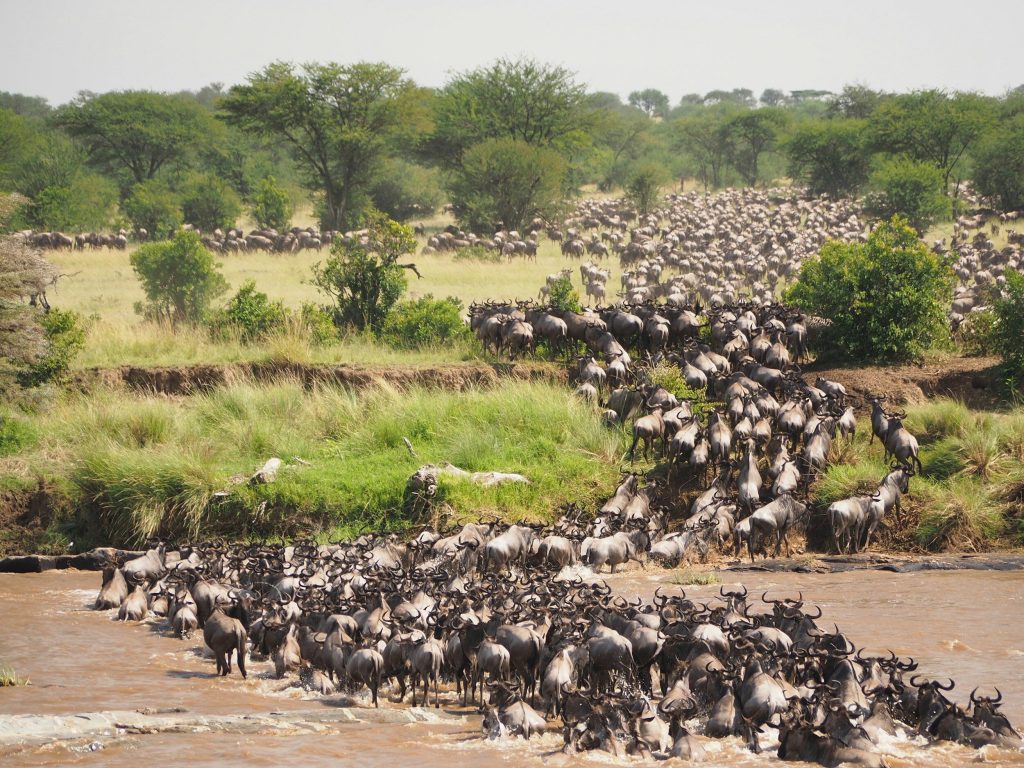
The most famous period is during the Great Migration, typically from July to October, when over a million wildebeest and zebra move into the Masai Mara from the Serengeti, often culminating in dramatic crossings of the Mara River. This is peak safari season with incredible predator action, but it is also the busiest and most expensive time to travel.
The dry seasons from January to March and June to October are generally considered the best for wildlife viewing, as animals gather around water sources and vegetation is thinner, making sightings easier.
The green season in November and April – May offers a different but equally rewarding experience, with lush landscapes, excellent birdlife, newborn animals and fewer visitors, often at lower prices. In the rainy months of November, April and May the Mara’s black cotton soil becomes slick and muddy, and vehicles can occasionally get stuck in the soft ground. Fortunately this is something guides deal with regularly, and with a bit of patience (and sometimes a little teamwork) you’ll soon be back on the move enjoying your safari again.
The Great Migration in the Masai Mara
One of the biggest draws to the Masai Mara is the chance to witness the Great Migration, one of the most extraordinary wildlife spectacles on Earth.
Each year more than a million wildebeest, accompanied by hundreds of thousands of zebra and gazelle, move north from Tanzania’s Serengeti into the Masai Mara in search of fresh grazing. This usually happens between July and October, when vast herds spread across the plains and gather along the Mara River, where dramatic crossings often unfold as animals plunge into crocodile-filled waters while predators wait nearby. While the exact timing changes each year depending on rainfall, the migration offers incredible wildlife viewing, with lion, leopard and cheetah all taking advantage of the abundance of prey.
If seeing river crossings is high on your safari wish list, you can read our detailed guide to the Great Migration in the Masai Mara to learn the best months, locations and camps for witnessing this unforgettable event.
How to Get to the Masai Mara
Reaching the Masai Mara is surprisingly straightforward.
Most travellers begin their journey in Nairobi, Kenya’s capital, which is well connected by international flights from Europe, the Middle East and beyond. From Nairobi you can either take a scheduled light aircraft flight to one of the many small airstrips scattered across the Mara, which takes around 45 minutes and offers spectacular views over the Rift Valley and savannah below.
Alternatively, it is possible to travel by road from Nairobi, which typically takes five to six hours depending on road conditions and your final destination.
Flying is generally the preferred option as it saves time and allows you to arrive in the Mara ready to begin your safari almost immediately.
What to Look Out for When Booking a Masai Mara Safari
When planning a Masai Mara safari, it’s worth paying close attention to what is and isn’t included in your booking, as this can vary significantly between camps and tour operators. One important factor to check is park or conservancy fees, which can be a significant additional cost and are sometimes charged separately from your accommodation. It’s also worth confirming whether game drives are included in your stay or whether they are charged as extra activities. Most safari camps include shared morning and afternoon game drives with experienced guides, but this can differ depending on the property and the style of safari you are booking. Understanding exactly what is included will help you compare camps more accurately and avoid unexpected costs once you arrive.
How Many Days Should You Spend in the Masai Mara?
To truly experience the Masai Mara, plan to spend at least three nights in the reserve or surrounding conservancies. This gives you time to explore different areas of the ecosystem and increases your chances of witnessing some of the Mara’s most iconic wildlife encounters. While wildlife sightings can never be guaranteed, a few days exploring with experienced guides gives you the best opportunity to see everything from lion and elephant to cheetah, leopard and large herds of grazing antelope.
If you are visiting during the Great Migration, an extra night can be particularly worthwhile, as river crossings are unpredictable and often require patience and time spent waiting along the Mara River.
Many travellers choose to combine the Masai Mara with other safari destinations in Kenya such as Amboseli, Samburu or Lewa Conservancy, creating a more varied itinerary that showcases different landscapes and wildlife.
If you’re planning a safari itinerary, you can read our guide on how to plan a Kenya safari itinerary to see how the Masai Mara fits into a longer East African adventure.
If you would like to start planning your safari holiday get in touch kim@walkingwild.je
